Put the computer where the electricity is
AI's bottleneck is power, not chips. Here is why the answer might be a steel cylinder sitting in the Gulf Stream.
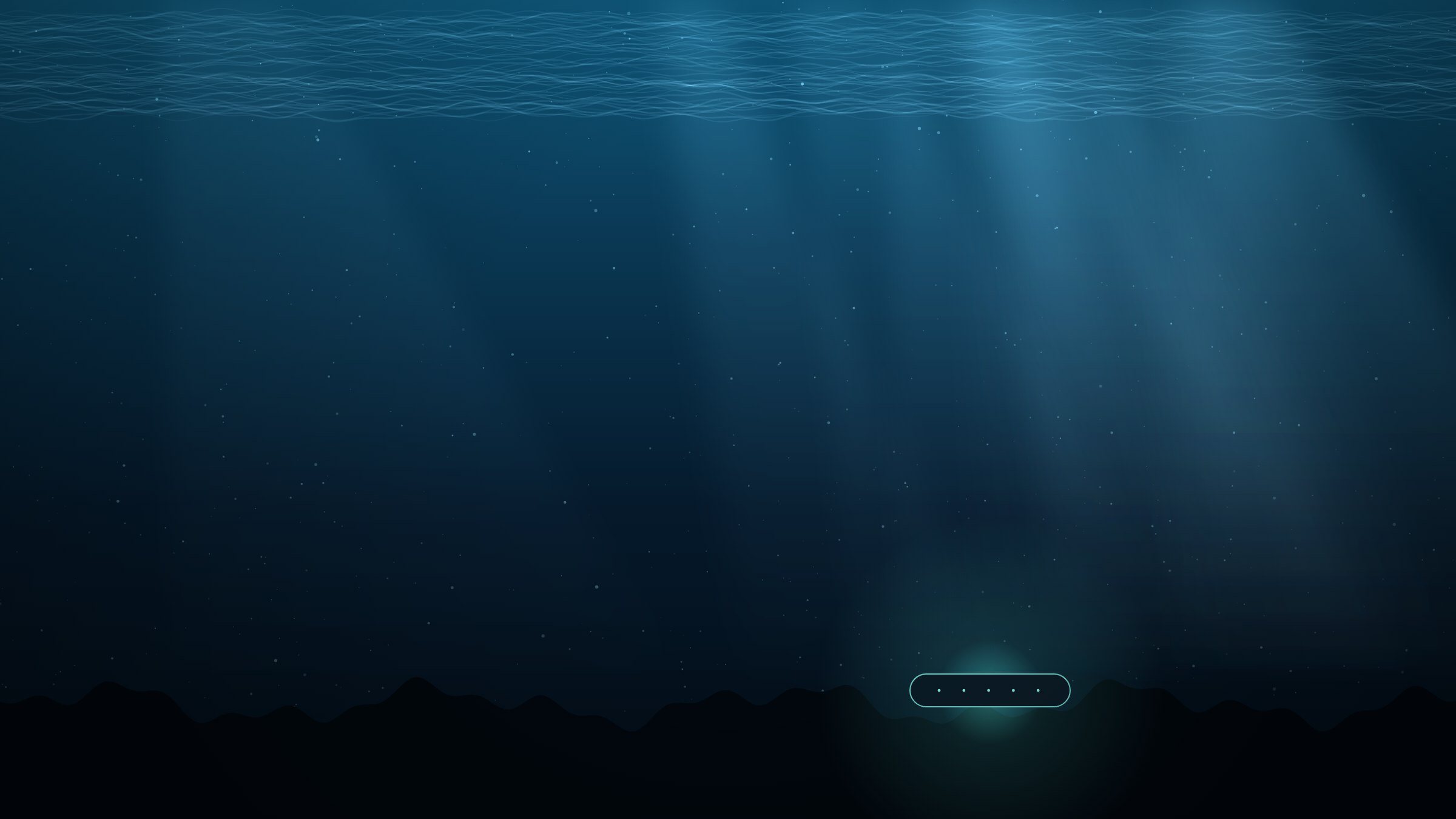
Every serious conversation about AI now ends at the same place: electricity. Chips are expensive but available. Models keep getting better. What's scarce is a place to plug in. New data centers can wait years for a grid connection, and a growing number of communities don't want them at all.
So we asked a simple question. Where is there a large amount of clean, steady power that nobody is using, next to one of the biggest cities in America?
A river in the ocean
A few miles off Miami, the Gulf Stream runs north at about 1.5 metres per second, day and night, every day of the year. It carries more water than all the world's rivers combined. And unlike wind or sunshine, it doesn't stop: NOAA has measured it with a submarine cable since 1982 and found it remarkably steady.
That steadiness matters more than raw size. AI chips are expensive, and the only way to earn them back is to keep them busy. A power source that runs around the clock, and that we can forecast a season ahead, is exactly what compute needs.
Move the computer, not the power
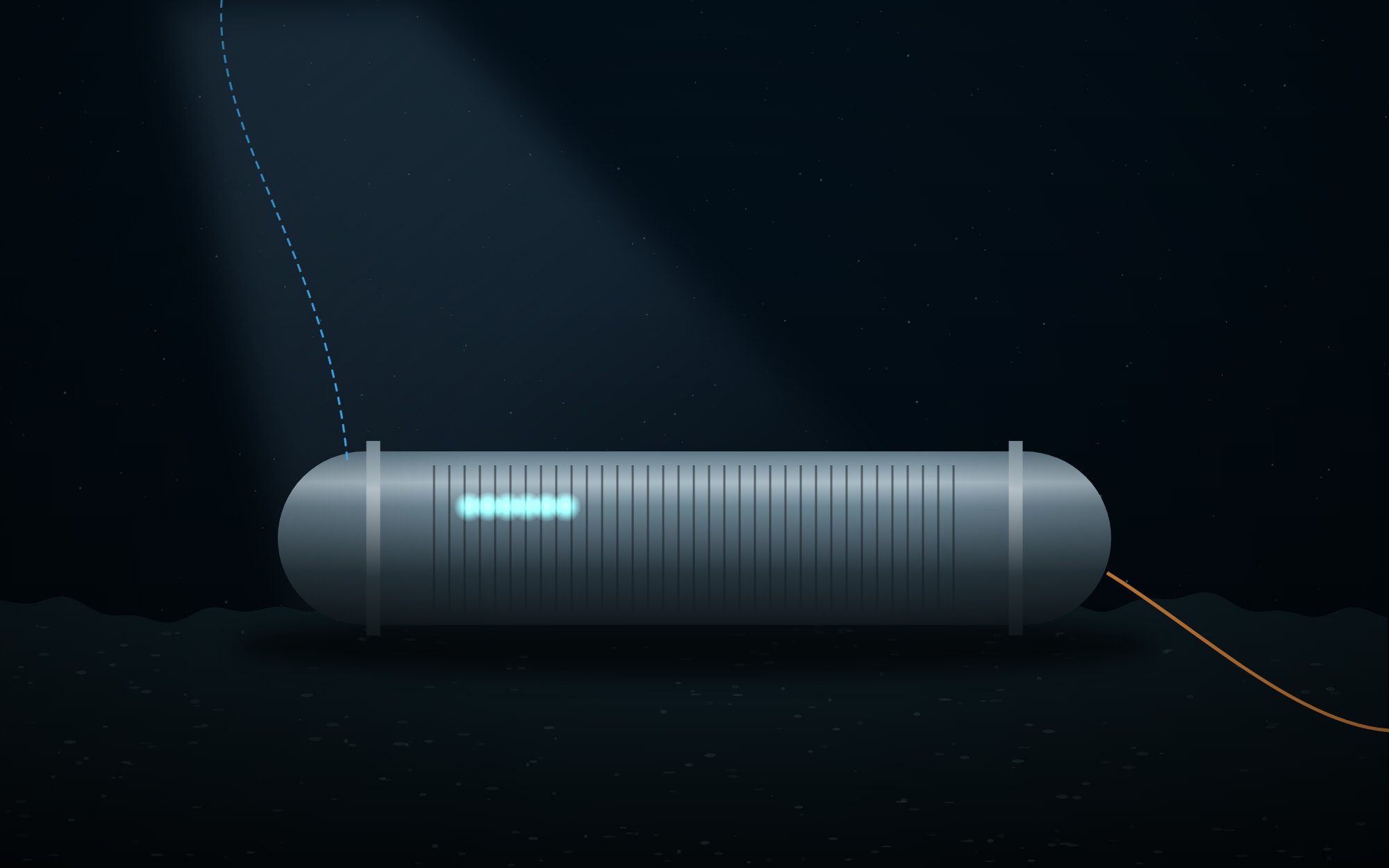
The expensive part of ocean energy has always been getting the power to shore: long cables, substations, grid agreements. We skip all of it. The chips sit on the seabed right next to the generators, and only the results of the AI work travel to land. Those results are tiny, so a thin fiber to a buoy with a satellite dish is enough.
Why sealed, and why the seabed
Microsoft tested this idea for two years off Scotland. They sealed 855 servers in a steel cylinder filled with dry nitrogen and left it on the seabed. When they brought it up, the servers had failed at one-eighth the rate of identical machines on land. No oxygen, no humidity, no temperature swings, and no people bumping into things.
Our pods work the same way. Seawater flowing past the steel wall carries the heat away, so there are no chillers and no fresh water. And because the pod sits still on the seabed, separate from the generators flying in the current above it, it can be simple, strong and cheap.
What we're building first
We are starting small and fast. This winter we seal four GPUs into our first pod and run them underwater at a Miami dock. In spring we lower it onto the seabed in the Gulf Stream. Then we connect it to an ocean-current generator and run it on the current alone.
Each step answers one question, and we will publish every reading on our progress page, including the bad days. If it works, the same design scales to a megawatt node with hundreds of chips, and then to a fleet along the coast.
We think the next decade of AI will be limited by where computers can be powered. The Gulf Stream has been running for millions of years. It's time we put it to work. We call it seabed compute.